“In that day, sing about the fruitful vineyard. I, the Lord, will watch over it, watering it carefully. Day and night I will watch so no one can harm it. My anger will be gone. If I find briers and thorns growing, I will attack them; I will burn them up—”
Isaiah 27:2-4 NLT
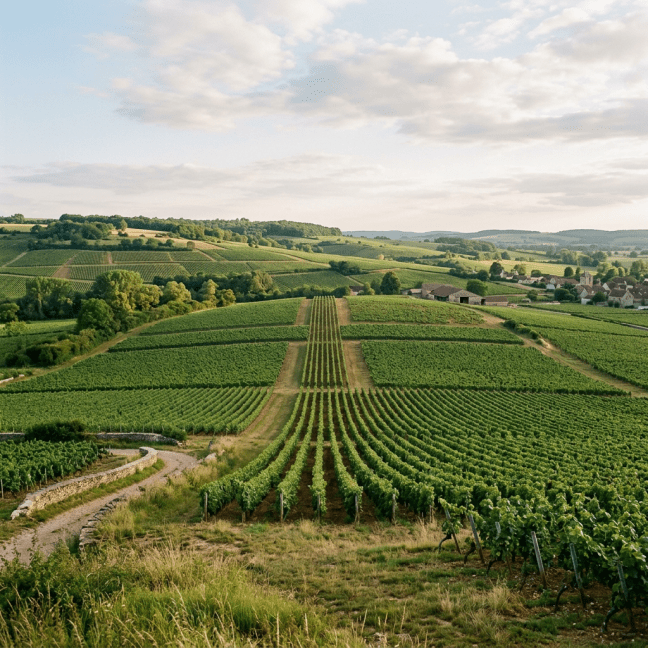
There is that reference again to “In that day”, indicating that this is another End Times prophecy about what is to come at some time yet to happen in the future. It is a frustration to some people that they are neither able to control the present nor the future. Yes, they can put into place some personal steps to minimise their risks, but global events are well beyond them. Regarding their own lives and the reality that one day they will die, they don’t know when or how it will happen, and they choose to suppress any thoughts in that direction. But we pilgrims don’t have that concern, because we know that God has us in His hands and that one day we will be with Him forever. Prophecies such as Isaiah’s “In that day” provide a glimpse of what life will be like when the Lord returns. When the Lord reigns on earth, a restored Israel will be like a pleasant or fruitful vineyard, with some manuscripts describing it as a “vineyard of wine.” In Isaiah 5:2, Isaiah wrote of a vineyard prepared by the Lord. “He ploughed the land, cleared its stones, and planted it with the best vines. In the middle he built a watchtower and carved a winepress in the nearby rocks”. So far, so good. Everything was prepared and ready to produce a crop of the very best grapes. We read on in this verse, “Then he waited for a harvest of sweet grapes, but the grapes that grew were bitter”. The vineyard represented Israel, and the “sweet grapes” that were supposed to grow there were the fruit of righteous lives, lived by God’s own people, the Jews. But sour and bitter grapes resulted from a lack of righteousness in a people who had abandoned God and His ways. They were growing the wrong fruit.
I suppose, as we pause here, we pilgrims can ask ourselves the question, “What fruit am I producing?” Grapes of righteousness, sweet and useful, productive in God’s hands, or something else? In Isaiah 5, as we read on, we find that the Lord removed the protective hedge and wall around the vineyard. This allowed wild animals to come and destroy it. He also sent a drought over the vineyard and allowed thorns and briers to grow and take over. But in the End Times, Israel will have been restored and will be a pleasant “vineyard of wine”. The Lord will be dwelling with His people, and He declared how He would look after them. It will be well-watered with His love and grace, and He will watch over it, day and night. In the wonderful picture of the Revelation 21 prophecy of God living with His people, He will no longer be angry with His wayward children, and in His presence, finally, they will produce the fruit He had always designed for them to produce.
History records a different set of circumstances for the Israelites. Time and time again, their sinful lives led to consequences when God removed His hedge of protection around them. This took the form of oppression by the surrounding nations, which crescendoed with the conquest by the Assyrian army and exile for many of the remaining people. When they finally returned from Babylon, did their sinning stop? Unfortunately, not, and in Jesus’ day, the Romans had occupied Palestine, and there was a pseudo-religious council keeping a lid on the population. This was never the type of society that God had designed for His people. But throughout the ages, God’s people retained their Jewish identity, and received a glimmer of hope with the return of the Jewish state in 1948. Has their sinning stopped? A question that God Himself will answer one day.
Sin can be defined as rebellion against God and His ways, and this encompasses many behavioural traits that poison a person’s life and future. But there is a remedy, and that came in the person of Jesus Christ. Paul wrote, “But God showed his great love for us by sending Christ to die for us while we were still sinners. And since we have been made right in God’s sight by the blood of Christ, he will certainly save us from God’s condemnation” (Romans 5:8-9). This must be wonderful news for all sinners, past, present, and future, and we will one day enjoy the fruits of God’s vineyard, living with Him forever. Paul continued in Romans 5, “For since our friendship with God was restored by the death of his Son while we were still his enemies, we will certainly be saved through the life of his Son. So now we can rejoice in our wonderful new relationship with God because our Lord Jesus Christ has made us friends of God”. Are we pilgrims feeling a bit jaded and perhaps depressed this morning? After all, world events are not the most uplifting. But as we cast our eyes Heavenward, we will see God’s “vineyard”, the place where we want to be. And today, this very moment, we can feel the warm glow of God’s love and grace flowing over us, bringing peace to our souls.
Whatever we are facing today, whatever challenge, whatever problem, God has an answer. God has a solution. We pilgrims pray, and keep on praying, bringing our lives and families under His fatherly and gracious spotlight. The Psalmist wrote in Psalm 34:17, “The Lord hears his people when they call to him for help. He rescues them from all their troubles“. 1 John 5:14-15, “And we are confident that he hears us whenever we ask for anything that pleases him. And since we know he hears us when we make our requests, we also know that he will give us what we ask for“. Of course, we must pray prayers that align with God’s will, but He cares for us and always has an answer. In Philippians 4:6-7, we read again, “Don’t worry about anything; instead, pray about everything. Tell God what you need, and thank him for all he has done. Then you will experience God’s peace, which exceeds anything we can understand. His peace will guard your hearts and minds as you live in Christ Jesus“.
Father God. We bring to You our worries and cares, in the knowledge that You are concerned for us and desire to bring us firmly back into Your will. We are truly sorry for the times we have given up praying or failed to pray at all, and we thank You for the times You answered our prayers, spoken or unspoken, anyway. Today, we bring You our praises and petitions, trusting that You will hear our prayers and lead and guide us accordingly. Thank You, Lord. Amen.