
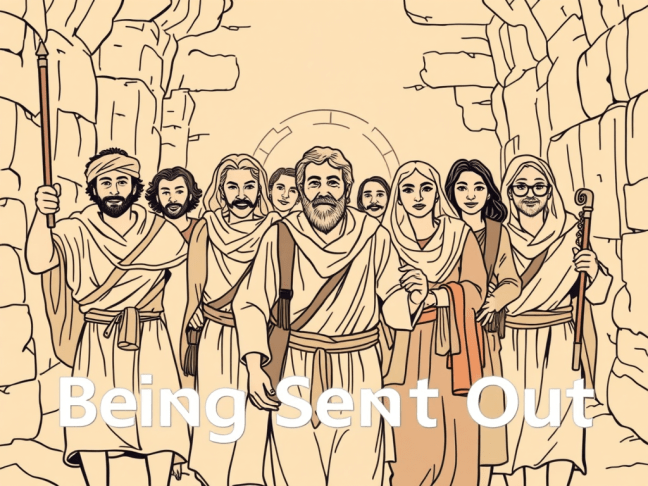
Lessons from Macedonian Churches: Joy Amid Trials

“Now I want you to know, dear brothers and sisters, what God in his kindness has done through the churches in Macedonia. They are being tested by many troubles, and they are very poor. But they are also filled with abundant joy, which has overflowed in rich generosity. For I can testify that they gave not only what they could afford, but far more. And they did it of their own free will.”
2 Corinthians 8:1-3 NLT

There were three significant congregations in Macedonia in the First Century, all established by Paul on his second missionary journey. In Acts 16:9-10, we read, “That night Paul had a vision: A man from Macedonia in northern Greece was standing there, pleading with him, “Come over to Macedonia and help us!” So we decided to leave for Macedonia at once, having concluded that God was calling us to preach the Good News there”. So off Paul and Silas went, boarding a boat at Troas, and then made their way to Philippi. There, they met a businesswoman called Lydia, and the Philippian church was subsequently established, although Paul and Silas suffered much pain in the process (Acts 16:22). 

Their next stop was in Thessalonica, where Paul preached in the local Jewish synagogue, reasoning with the people. His efforts were not universally accepted by a long way, but we read, “Some of the Jews who listened were persuaded and joined Paul and Silas, along with many God-fearing Greek men and quite a few prominent women” (Acts 17:4). But more troubles followed, and Paul and Silas left the city “that very night” and headed for Berea. As usual, Paul headed for the synagogue there and once again preached the Gospel. We read, “And the people of Berea were more open-minded than those in Thessalonica, and they listened eagerly to Paul’s message. They searched the Scriptures day after day to see if Paul and Silas were teaching the truth” (Acts 17:11). As an aside, there is a principle here that believers do well to follow. Whenever somebody delivers a message that doesn’t seem to sit right, the Scriptures, the Bibles we have, should be consulted to check out what has been said. In Berea, we see the result of Paul’s persuasive words, “As a result, many Jews believed, as did many of the prominent Greek women and men” (Acts 17:12). 

So the main churches in Macedonia were Philippi, Thessalonica and Berea, and their birthing troubles continued. The Gospel, the Good News about Jesus, His death, His resurrection and His Ascension, was life-changing, and the power of the Holy Spirit accompanying the preaching really shook up the religious, and particularly Jewish, status quo. The devil wasn’t going to concede ground without a fight, and he leveraged the instabilities of the Macedonian societies to his advantage.

The three churches were also very poor, Paul wrote, but they were also “filled with abundant joy” to the extent that they were insistent in giving sacrificially of their limited resources to support the poor in other places. Paul noted that they were not obliged to be so generous. No one had asked them to give that much of their money, but they gave “of their own free will”. There is a principle in going that is contrary to the ways of the world, and Jesus spoke about it. Luke 6:38, “Give, and you will receive. Your gift will return to you in full—pressed down, shaken together to make room for more, running over, and poured into your lap. The amount you give will determine the amount you get back”. The graphic illustration was one His audience would understand, as it referred to seed, a common commodity in His day. 

So the Macedonian churches were experiencing many troubles and much persecution in a society hostile and resistant to the early Christians, and their countercultural teaching about Jesus. Paul wrote that they were being “tested”, a benign way of saying that people in the society around them were attempting to get them to revert to their old ways and abandon being followers of Jesus. The testing might have included being ostracised from their circle of friends, being hassled in the workplace, and other forms of pressure, but in it all, they stood firm, the troubles and testing producing within them the Holy Spirit fruit of joy, and abundantly at that. 

We pilgrims are a joyful people, aren’t we? No matter what comes against us, we turn to Jesus, who is the Source of all that we are and want to be. We might have difficulties and challenges with our health, our wealth (or lack of it), in fact, anything that is going on in our daily lives, that conspires to give us trouble and testing. We might be tempted to say, “What’s the point?” and turn away from our Christian lives in the hope that the hassles would evaporate. New believers often find that when they make a decision for Christ, their problems don’t go away. But they do find that through Jesus, they have a new hope and a future. Jeremiah 29:11, “For I know the plans I have for you,” says the Lord. “They are plans for good and not for disaster, to give you a future and a hope”. Instead of having no purpose in life, they find that they will eventually be admitted into Heaven to be with Jesus. Such a perspective is a factor in the “abundant joy” experienced by the Macedonians, and experienced by us pilgrims as well. We are now citizens of the Kingdom of God. We are His children, adopted into His family. Joy is the norm and not the exception.

For those believers struggling with their troubles, we glimpse God’s provision or grace and love in verses such as 1 Peter 5:7, “Give all your worries and cares to God, for he cares about you”. A verse short and succinct, but loaded with God’s care and provision for His children. Psalm 91 starts, “Those who live in the shelter of the Most High will find rest in the shadow of the Almighty. This I declare about the Lord: He alone is my refuge, my place of safety; he is my God, and I trust him”. And it ends, “The Lord says, “I will rescue those who love me. I will protect those who trust in my name. When they call on me, I will answer; I will be with them in trouble. I will rescue and honour them. I will reward them with a long life and give them my salvation””. God doesn’t give empty promises. He does what He says, and we pilgrims can be assured that whatever we are facing, nothing will take away our joy, and His love for us. We end with Paul’s words to the Romans, “And I am convinced that nothing can ever separate us from God’s love. Neither death nor life, neither angels nor demons, neither our fears for today nor our worries about tomorrow—not even the powers of hell can separate us from God’s love. No power in the sky above or in the earth below—indeed, nothing in all creation will ever be able to separate us from the love of God that is revealed in Christ Jesus our Lord” (Romans 8:38-39). 

Dear Father, thank You for Your love and care for us. We will experience troubles in this life, we know, but we also know that You have us earmarked for a new life, free from all that causes us angst in this one. We pray that You protect us from the evil one, and don’t let anything steal away our joy. In Your precious name. Amen.

Overcoming Apprehension: Lessons from 2 Corinthians

“We have been greatly encouraged by this. In addition to our own encouragement, we were especially delighted to see how happy Titus was about the way all of you welcomed him and set his mind at ease. I had told him how proud I was of you—and you didn’t disappoint me. I have always told you the truth, and now my boasting to Titus has also proved true! Now he cares for you more than ever when he remembers the way all of you obeyed him and welcomed him with such fear and deep respect. I am very happy now because I have complete confidence in you.”
2 Corinthians 7:13-16 NLT

It must have been the case that Titus was a bit apprehensive about going to meet with the Corinthians, because Paul wrote that their welcome for him “set his mind at ease”. I think any of us would have been a bit unsure of the reception we would receive, carrying in our pocket the missive that Paul had penned. To add to his concern was the long journey to reach Corinth from where Paul was at the time. It is thought that Paul wrote his first letter while at Ephesus, meaning a 290-mile sea journey would have been required to reach Corinth. A land journey was possible, although much longer, so it would have taken weeks at the normal walking pace of 15-20 miles per day. But all that time dwelling on the contents of the letter throbbing in his pocket would have weighed on Titus’ mind. I expect Paul was relieved as well, hearing that his letter had been so positively received, having achieved its purpose, which was to bring the Corinthian believers back on the “straight and narrow” path. 

It would have been much easier for Paul to have delivered what he had to say in person, because by doing so there would have been a feedback mechanism in place, allowing for the optimisation of the delivery. He began his first letter by addressing the quarrels that had been occurring. “For some members of Chloe’s household have told me about your quarrels, my dear brothers and sisters” (1 Corinthians 1:11). It would have been easier for Paul to gather together the quarrelling parties and work with them to resolve their differences. In that process, his love and compassion for them would have won them over and brought about a reconciliation. But just to point out the problem and leave it to them to sort out would not have been very efficient, if it even worked. So Titus’ apprehension was understandable.

What about for us pilgrims? We have, I’m sure, encountered times when a problem or difficulty has to be confronted. It could be a parent to a child, or a manager to an employee. Even, perhaps, between friends. And I’m sure that the build-up to the day the encounter was to take place would have been full of apprehension, even with a sleepless night involved. We would have prayed and asked God to help in the meeting, but there would still have been that unease niggling in our minds. “I wish it were all over” was a thought probably in our minds. To the Galatians, Paul wrote, “Dear brothers and sisters, if another believer is overcome by some sin, you who are godly should gently and humbly help that person back onto the right path. And be careful not to fall into the same temptation yourself” (Galatians 6:1). Such advice, valuable as it is, requires a face-to-face encounter to be able to communicate with gentleness and humility.

In today’s internet-enabled world, it is sometimes easy to just fire off an email or message to another person, or make a comment on a social media platform, to avoid personal contact. But in the process, sight is lost of the innuendo and interpretation of the message by the other person. We may write the message from our perspective, but when it’s received by the other person, it means something totally different to them. Such a thought must always have been in Paul’s mind as he wrote his letters. In 3 John 1:13-14, we read, “I have much more to say to you, but I don’t want to write it with pen and ink. For I hope to see you soon, and then we will talk face to face”. Some things have to be said person to person, and not by “pen and ink”

The message from our verses in 2 Corinthians today is clear and affects both the giver and the receiver. If we have a message to deliver, particularly if it is of the importance that Paul could see, then we must carefully think through the process to avoid unnecessary or unintended consequences, such as a permanent schism resulting. If we are in receipt of the message, then we must not react in anger, rejecting both the message and the messenger, but must carefully take it away and consider it through prayer, asking for God’s help in discerning what has been said. Some unease on the part of either party is to be expected, but with God’s help, the problem is resolved, and apprehension dissipated.

Dear Father God. Human interaction can be difficult sometimes, but we each pray for ourselves today, praying “May the words of my mouth and the meditation of my heart be acceptable in your sight, O LORD, my Rock and my Redeemer”.  Thank You for Your grace and love. Amen.

Understanding Loyalty in the Christian Faith

“My purpose, then, was not to write about who did the wrong or who was wronged. I wrote to you so that in the sight of God you could see for yourselves how loyal you are to us. We have been greatly encouraged by this. In addition to our own encouragement, we were especially delighted to see how happy Titus was about the way all of you welcomed him and set his mind at ease.”
2 Corinthians 7:12-13 NLT

After Paul’s first letter, there would have needed to be loyalty on the part of the believers in Corinth, if they were going to take on board what he had written. It is true to say that some issues can only be addressed when there is a relational bridge between people, and in the issues Paul raised in his first letter, some form of loyalty had to be established. Otherwise, the believers would have just rejected what Paul wrote. Loyalty is a word that has fallen into much disrepute in British society because of the many different people groups present. A definition of “Britishness” has become confused because recent research suggests it can mean several things, depending on geography, ethnicity, human rights, respect for the law, and so on. So loyalty to the nation of Britain has become a thing of the past, at least to the extent that my parents, who came through the war years, would have understood. Our nationalities or origins are occasionally requested on NHS or government forms, and there is usually a long list of options, which perhaps pushes people away from “British” towards more fragmented societal and loyalty options.

But here in Paul’s second letter, the issue is simpler: the loyalty of the Corinthian believers to the Apostle, Paul, who established the church there in the first place. And Paul wrote, “We have been greatly encouraged by this”. Perhaps, when Paul put the final full stop on his first letter and sealed it for dispatch, he must have experienced mental gyrations, wondering whether he had been too hard or too soft in his comments and advice. Wondering if the Corinthians would reject what he had said and, in the process, reject him as well. Those early church days were fraught with so many attacks and issues, and Paul confessed, “Then, besides all this, I have the daily burden of my concern for all the churches” (2 Corinthians 11:28). He hinted at his anguish in Galatians 4:19-20, when he wrote, “Oh, my dear children! I feel as if I’m going through labour pains for you again, and they will continue until Christ is fully developed in your lives. I wish I were with you right now so I could change my tone. But at this distance, I don’t know how else to help you”. And that was Paul’s dilemma. In an age without denominational structures to address grievances, well-trained ministers, the Canon of Scripture, and internet-enabled instant communication, problems could fester for far too long. And that is without even mentioning the plethora of false teaching and prophecies, such as Gnosticism and Docetism and others, all conspiring to draw the early believers into error and back into the clutches of the devil. 

As we read the Bible, we find that loyalty is a virtue that involves steadfast commitment to God, family, friends, and responsibilities. It is often synonymous with “faithfulness” and is considered a reflection of God’s own unchanging character. First and foremost, there is loyalty to God. Deuteronomy 6:5,  “And you must love the Lord your God with all your heart, all your soul, and all your strength”. Any believer, not just a new one, who is unable to sign up to that needs to reflect on their salvation. Jesus also taught, in relation to the subject of money, that “No one can serve two masters. For you will hate one and love the other; you will be devoted to one and despise the other. You cannot serve God and be enslaved to money” (Matthew 6:24). Jesus went further in His letter to the church in Smyrna, when He said, “Don’t be afraid of what you are about to suffer. The devil will throw some of you into prison to test you. You will suffer for ten days. But if you remain faithful even when facing death, I will give you the crown of life” (Revelation 2:10). How many of us would stay the course if we were staring death in the face because of our faith? 

You have the words that give eternal life

Regarding friendships, the Bible also offers some advice on loyalty. Proverbs 17:17, “A friend is always loyal, and a brother is born to help in time of need”. We have the poignant scene in Ruth where we read, “But Ruth replied, “Don’t ask me to leave you and turn back. Wherever you go, I will go; wherever you live, I will live. Your people will be my people, and your God will be my God” (Ruth 1:16). Ruth was only related to her mother-in-law by marriage, and yet she promised to remain loyal come what may. As we read the rest of the Book of Ruth, we find that her faithfulness resulted in her becoming an important part of Jesus’ bloodline, even getting a mention in Matthew 1:5b, “ … Boaz was the father of Obed (whose mother was Ruth). … ”, something unusual for a woman in those days. Peter and the disciples were very loyal to Jesus. When the teaching Jesus was delivering became too hard for some of the more peripheral disciples, resulting in them leaving him, we read, “Then Jesus turned to the Twelve and asked, “Are you also going to leave?” Simon Peter replied, “Lord, to whom would we go? You have the words that give eternal life. We believe, and we know you are the Holy One of God”” (John 6:67-69). As we know, Peter and the rest of the disciples (with the exception of John) all died violent deaths through their loyalty to their Master and Lord. 

What about our loyalty, fellow pilgrims? Are we loyal to our families and friends? And above all, are we loyal to God? The Christian life is a journey along a narrow and difficult path, but there is no option to occasionally rest for a while “on the broad way that leads to destruction”. When the journey gets tough, we dig even deeper into the resources God has made available to us, “And the peace of God, which transcends all understanding, will guard your hearts and your minds in Christ Jesus” (Philippians 4:7). 

Dear Heavenly Father, we pledge our loyalty to You today, in the assurance that You have a plan reserved for us in Heaven. We thank You for Jesus and all He did for us, and continues to do for us, in every day of our lives. Amen.

Understanding Godly Sorrow: Path to Healing and Salvation

“For the kind of sorrow God wants us to experience leads us away from sin and results in salvation. There’s no regret for that kind of sorrow. But worldly sorrow, which lacks repentance, results in spiritual death. Just see what this godly sorrow produced in you! Such earnestness, such concern to clear yourselves, such indignation, such alarm, such longing to see me, such zeal, and such a readiness to punish wrong. You showed that you have done everything necessary to make things right.”
2 Corinthians 7:10-11 NLT

Continuing with Paul’s theme of Godly sorrow, we look at the impact Paul’s first letter had made in the lives of the Corinthian believers. If we remember, it was quite hard-hitting, revealing issues that needed courage to expose. But then, some things are better delivered remotely, as in a letter. Paul must have been sure of a positive reception when he wrote the things that he did, because otherwise it might have done more harm than good. In the end, Paul must have received a positive response because he wrote, “Now I am glad I sent it, not because it hurt you, but because the pain caused you to repent and change your ways. It was the kind of sorrow God wants his people to have, so you were not harmed by us in any way” (2 Corinthians 7:9). A bit further down in this chapter, we see that it was probably Titus who delivered the letter and then he stayed awhile, probably explaining and helping with the issues Paul had raised.

The first letter caused a sorrowful reaction in Corinth, but it was a Godly sorrow that “leads … away from sin and results in salvation”. And the positive result was to make everything right, and Paul listed some of the actions and emotions that emerged as the exhortations contained in the letter were applied in the church. Paul was assured that they had done everything necessary. 

We pilgrims come across situations in our lives where things need to be put right. It is not uncommon for a family falling out, usually over something trivial, to lead to a lifetime of estrangement and no further contact. In my family, many years ago, there were four siblings, a brother and three sisters, who had a row over wedding invitations. Now, nearly forty years later, they have all died, and they made no attempt to put things right. The brother never spoke to his sisters again, and he died a bitter man. But such an event is not unusual in families; friends can be chosen, but siblings and cousins cannot, leading to much grace and determination to resolve issues before they become irresolvable. 

Have we upset anyone? Have we stopped speaking to a family member or friend? Have we fallen out with someone, and are harbouring feelings within us that are corrupting our Christian lives? Is our conscience pricking away, nagging us to sort this out, but we’re at a loss to know how to start? Well, the words of Jesus will help, I’m sure. Matthew 5:23-24, “So if you are presenting a sacrifice at the altar in the Temple and you suddenly remember that someone has something against you, leave your sacrifice there at the altar. Go and be reconciled to that person. Then come and offer your sacrifice to God“. We need to apply this to our lives today, remembering that our bodies are temples of the Holy Spirit. So we need to take action and reconcile the situation. If someone has upset you by what they have done, we remember Colossians 3:13, “Make allowance for each other’s faults, and forgive anyone who offends you. Remember, the Lord forgave you, so you must forgive others“. That’s a big one because our pride will get in the way, but we sometimes see news reports of a parent of a child who has been attacked choosing to publicly forgive the attacker. That’s how we should be, walking in forgiveness to all. There is no point in harbouring bad feelings; someone has said that resentment is like taking poison and waiting for the other person to die. Resentment is a kind of narcissistic bargaining, an insistence that our pain should matter enough to reach across time and consequence and punish the person who caused it. It usually does not. The other person may be oblivious, gone, or thriving, but our bodies keep the score anyway. Paul also wrote, “Instead, be kind to each other, tenderhearted, forgiving one another, just as God through Christ has forgiven you” (Ephesians 4:32). There is no point in unforgiveness and resentment, because Jesus forgave us for far worse. We also need to recognise that we live in a moral universe and that we will all, one day, be held to account for what we have done in this life. God will address the harm that people have done to us. Isaiah 61:8, “For I, the Lord, love justice. I hate robbery and wrongdoing. I will faithfully reward my people for their suffering and make an everlasting covenant with them”.

Paul referred to “Godly sorrow”, which “leads us away from sin and results in salvation“. Ultimately, no relational troubles in this life are worth keeping alive. In the context of eternity, putting things right with another person is a very small requirement.

Dear Heavenly Father. Please forgive us for our stubbornness and pride. We pray David’s prayer, “Search me, O God, and know my heart; test me and know my anxious thoughts. Point out anything in me that offends you, and lead me along the path of everlasting life”. Amen.

Embracing Sorrow: The Path to Spiritual Growth

“I am not sorry that I sent that severe letter to you, though I was sorry at first, for I know it was painful to you for a little while. Now I am glad I sent it, not because it hurt you, but because the pain caused you to repent and change your ways. It was the kind of sorrow God wants his people to have, so you were not harmed by us in any way. For the kind of sorrow God wants us to experience leads us away from sin and results in salvation. There’s no regret for that kind of sorrow. But worldly sorrow, which lacks repentance, results in spiritual death”.
2 Corinthians 7:8-10 NLT

Paul’s first letter must have had quite an impact on the Corinthian believers. Paul considered it to be “severe”, and the feedback he received indicated that they were hurt by it. I wonder how we would have reacted, had we been there in the congregation. But Paul was quite right in pointing out some of the issues that they were experiencing. There was the man sleeping with his stepmother, a blatant issue that apparently everyone knew about, and, worse, they boasted about it. There were divisions in the church, as people claimed allegiance, each to their preacher. They quarrelled with each other. They considered themselves superior to those in the society around them. There was a situation where one Christian took another to a secular court to decide a difference between them. Then they seemed confused about what to do with food that had been sacrificed to idols. Some were happy to eat it, but others said they shouldn’t. The list goes on, but we shouldn’t be too surprised. This was a cutting-edge church established by Paul in a hostile society, trailblazing in living the new life in Christ. It was important that the Corinthians experienced all the issues that they did, because as a result of Paul’s letters, they have helped countless believers ever since. 

Paul’s first letter caused them pain, but that was a good thing because it led to repentance and a change in their ways. But that’s the thing about sin. It creeps up on people, and before they know it, problems arise. The case of the man and his stepmother probably began with a genuine display of Christian love, both by the couple and by the believers who knew them. One thing led to another, and before long, a sinful relationship had resulted. I like to think that as a result of Paul’s letter, the situation was resolved redemptively, with both parties being restored to a right relationship with Jesus. I also like to think that as a result of Paul’s letter, the believers saw the impact their divisions were having on their spiritual lives, and decided to resolve the situation with loving reconciliation. A hard-hitting letter from Paul resulted in restoration and resolution. 

What about us pilgrims? Have we in some way allowed sin into our lives and suffered spiritually as a result? The problem is that we are good at keeping our behaviour hidden. Take, for example, the issue of men privately watching things on the internet that they shouldn’t be watching or getting involved with prostitutes. A sin that very soon destroys their spiritual lives. Most of the time, only those in public ministry get found out, as we know from an example from the 1980’s. But most continue to do things in secret that no one ever discovers. In such situations, the Holy Spirit brings conviction of the sin taking place. God, in His grace, engineers a series of situations that bring the sinner face to face with his sin. One way is through discipline. Hebrews 12:5-6, 11,  “And have you forgotten the encouraging words God spoke to you as his children? He said, “My child, don’t make light of the Lord’s discipline, and don’t give up when he corrects you. For the Lord disciplines those he loves, and he punishes each one he accepts as his child. … No discipline is enjoyable while it is happening—it’s painful! But afterwards there will be a peaceful harvest of right living for those who are trained in this way”. We thank God that He loves us too much to leave us in a life of sin. Painful correction is transitory, but it is necessary to keep upon the right path to glory.

“I have sinned against the Lord”

At other times, the Holy Spirit will give a word personally or publicly to bring about a change in behaviour. Perhaps God will give a prophetic word to one of His servants, and they deliver it to the person involved in sin. In 2 Samuel 12 we read about the prophet Nathan telling King David about two men, one rich and the other poor. The rich man owned many sheep, but the poor man owned only one. It was a lamb hand-reared by him and his family, and much loved by them, but one day the rich man took the poor man’s sheep to feed his guests. David was outraged that such a thing had happened and said so, but then Nathan delivered the bombshell. We read in 2 Samuel 12:7-9, “Then Nathan said to David, “You are that man! The Lord, the God of Israel, says: I anointed you king of Israel and saved you from the power of Saul. I gave you your master’s house and his wives and the kingdoms of Israel and Judah. And if that had not been enough, I would have given you much, much more. Why, then, have you despised the word of the Lord and done this horrible deed? For you have murdered Uriah the Hittite with the sword of the Ammonites and stolen his wife”. Nathan took his own life in his hands when he delivered his prophecy because such a forthright confrontation usually didn’t end well for the prophet. But we read in verse 13, “Then David confessed to Nathan, “I have sinned against the Lord.” Nathan replied, “Yes, but the Lord has forgiven you, and you won’t die for this sin”. I’m sure we have all read David’s prayer of contrition, Psalm 51. It starts, “Have mercy on me, O God, because of your unfailing love. Because of your great compassion, blot out the stain of my sins”. In verses 10 and 11 we read, “Create in me a clean heart, O God. Renew a loyal spirit within me. Do not banish me from your presence, and don’t take your Holy Spirit from me”. David restored. Sin confessed. But as we read the rest of David’s life, we find that there were still consequences.

We hope as believers that we are never confronted in such a way when we fall into sin. Come to that, we hope we never reach such a sinful stage in our walk of faith. But always at the back of our minds must be the thoughts that we have a Heavenly Father who loves us too much to allow us to live a life of deceit and sin. If we turn a deaf ear to our consciences, God will take more direct action to grab our attention and, consequently, save our souls. He loves us too much to leave us.

Dear Heavenly Father. Thank You for Your love and care. We, like lost sheep, have a tendency to go astray. Please help us to live our lives Your way and no other way. In Jesus’ name. Amen.

The Source of True Comfort in Christian Life

“For when we came into Macedonia, we had no rest, but we were harassed at every turn – conflicts on the outside, fears within. But God, who comforts the downcast, comforted us by the coming of Titus, and not only by his coming but also by the comfort you had given him. He told us about your longing for me, your deep sorrow, your ardent concern for me, so that my joy was greater than ever.”
2 Corinthians 7:5-7 NIVUK

Three mentions of the word “comfort” in our verses today. Paul had already shared about being harassed and conflicted, with “fears within”, and he was obviously feeling pretty depressed about it all. Sometimes we look at a spiritual giant like Paul and think that they will never suffer the troubles in life that we do. Reading Paul’s letters He seems to have such a grasp of the Christian life, even establishing much of today’s theology, that we forget he was human like everyone else and needed comfort. 

Elijah was another one. In the middle of a drought, and after the Mount Carmel event where God sent fire to consume the sacrifice and Elijah “slaughtered” the 450 prophets of Baal, we read about the drought coming to an end. But Elijah then ran into the wilderness after a threat from a woman. We read, “Elijah was afraid and ran for his life. When he came to Beersheba in Judah, he left his servant there, while he himself went a day’s journey into the wilderness. He came to a broom bush, sat down under it and prayed that he might die. ‘I have had enough, Lord,’ he said. ‘Take my life; I am no better than my ancestors’” (1 Kings 19:3-4). How could that have happened? But we read on to find that Elijah was fed by “the angel of the Lord” before his long 40-day journey to “Horeb, the mountain of God”. It was there that God restored him, giving him the comfort that he needed.

Then we have Peter, devastated and depressed after denying Jesus three times. In Luke 22:61-62, and after Peter’s third denial, we read, “The Lord turned and looked straight at Peter. Then Peter remembered the word the Lord had spoken to him: ‘Before the cock crows today, you will disown me three times.’ And he went outside and wept bitterly.” What followed was that poignant conversation with Jesus on the shores of the Sea of Galilee, after a breakfast of barbecued fish. Jesus asked Peter three times if he loved Him, one time for each of Peter’s denials, and He gave Peter the comfort and assurance to put him back on track in his mission. 

We tend to think that the men of God like Paul, Peter and Elijah were somehow supermen in the faith, far too holy to suffer from the kinds of troubles we do. We also sometimes think the same of our pastors and other church leaders, somehow putting them on pedestals set apart from ordinary folk like us. But nothing could be further from the truth. We, too, need comfort from time to time, and we enjoy our needs being met by those loved ones closest to us, but unfortunately, there are many lonely people in our societies who lack family or friends and instead suffer in silence, lacking the comfort that all human beings need. Paul wrote that he was comforted “by the coming of Titus”, his needs being met in his hour of need.

He comforts us in all our troubles

The Bible bulges with verses and passages about comfort. And they all major on the one fact that God is the source of the comfort we need. He cares for us in all circumstances. Psalm 23 is a good place to start if anyone needs to be comforted today. Read it and re-read it if necessary, and in the process, we feel the comfort of God flooding over us. We get to verse 4 and read, “Even though I walk through the darkest valley, I will fear no evil, for you are with me; your rod and your staff, they comfort me”. The rod and staff were the shepherd’s tools to encourage and direct the sheep before him, and as we look to our loving Heavenly Father, we will find the same willingness to keep us on the right paths, no matter what we are going through.

Of course, from our position of being comforted, we can comfort others. We read in 2 Corinthians 1:3-4, “All praise to God, the Father of our Lord Jesus Christ. God is our merciful Father and the source of all comfort. He comforts us in all our troubles so that we can comfort others. When they are troubled, we will be able to give them the same comfort God has given us”. I envisage a merry-go-round, with each believer encouraging and comforting another, while God pours His love and grace into the mix, bringing comfort to all. This is what living the wonderful Christian life is all about. So who do we know who needs comforting today?

In my walks, I often meet people who are totally devoid of the comfort they need. Depression and loneliness abound. Worry and anxiety are endemic emotions. People without God lack hope and vision for the future. But we pilgrims have a Source of comfort, and sometimes we have the opportunity to bring just a glimmer of that comfort into the lives of those we meet, wherever that is. We must never neglect an opportunity to share the “words of eternal life” that God has so graciously given us.

Dear Heavenly Father. Thank You for Your comfort and grace. Through Jesus, we have come into a favoured place, where we find Heaven on earth. Please help us to bring comfort to others whenever we can. Amen.

Finding Peace Amidst Global Turmoil

“For when we came into Macedonia, we had no rest, but we were harassed at every turn – conflicts on the outside, fears within. But God, who comforts the downcast, comforted us by the coming of Titus, and not only by his coming but also by the comfort you had given him. He told us about your longing for me, your deep sorrow, your ardent concern for me, so that my joy was greater than ever.”
2 Corinthians 7:5-7 NIVUK

Do Paul’s words sound familiar? He was “harassed at every turn, something we ourselves feel at times. A young mum with demanding children, tired and near the end of her tether. An old person struggling with mobility issues but needing to get to the shops for food. A worker in the office, bombarded with demands from their boss, and unable to see how they were going to complete them all. The list of possible forms of harassment seems limitless. But being harassed seems part of everyday life for humans on Planet Earth. However, something that really strikes a chord within us concerns “conflicts on the outside, fears within”. As I am writing, the war between the US and Israel, and Iran rages on with missile exchanges and bombing continuing. But it doesn’t have to be this particular corner of the globe. Battles and wars keep cropping up all over, and the devil rubs his hands with glee, looking on at all the mayhem that he has caused, directly or indirectly. “Conflicts on the outside”? Definitely. But we shouldn’t be surprised, because Jesus warned us of these times. Jesus said in Matthew 24:6-7, “You will hear of wars and rumours of wars, but see to it that you are not alarmed. Such things must happen, but the end is still to come. Nation will rise against nation, and kingdom against kingdom. There will be famines and earthquakes in various places”. Doom-mongers make claims that this is World War 3, with claims that Armageddon is close, but Jesus was clear in Matthew 24:8, “All these are the beginning of birth-pains”. As we read more in Matthew 24, we can see that there are still events about to happen, and one significant thing that Jesus said is in verse 14, “And this gospel of the kingdom will be preached in the whole world as a testimony to all nations, and then the end will come”. Note that the Gospel has to be preached, and not just the translation of the Bible into all the world’s languages. The End of the Age clock is ticking but it still has a while to go, I believe. We don’t know the hour and the day, but we can be assured that God will not bring about the end of the world until the time is right.

At the time of writing, and regarding the current war in the Middle East, a few church leaders have posted on social media, citing a passage in Jeremiah 49 about Elam, an ancient kingdom located in what is now a corner of Iran, and speculating whether it is the fulfilment of Jeremiah’s prophecy. Of course, Elam no longer exists, having been subsumed into Persia, which became Iran, a long time ago. So, although there are similarities with current events, enough doubt remains to question some of the conclusions being drawn. Another YouTube video has emerged from an American pastor who claims the Doomsday clock has already reached midnight, but as I look out of the window, the sun is still shining. Whenever someone crops up and makes such claims, we pilgrims proceed with caution, waiting for God to confirm if necessary. 

But the point is that the “conflicts outside” bring “fears within”. The headlines in newspapers and other news media platforms scream about the cataclysmic events unfolding. There are even reports that AI-generated videos are circulating, stoking further fears and providing misinformation to mislead people even further. People everywhere are becoming anxious and worried. Even so, many miles away, the effects of the wars will bring inflation and increase the stress of living for those, most people in fact, on limited budgets. It is at times like these that we pilgrims reach for our Bibles to see what advice and encouragement God has for His children. Scriptures provide profound encouragement during times of war by shifting focus from temporary, chaotic circumstances to the eternal sovereignty, protection, and peace of God. They emphasise that while conflict is a reality of a broken world, God remains a refuge and ultimate victor. Psalm 46:1-3 is a great scripture in times such as this. “God is our refuge and strength, an ever-present help in trouble. Therefore, we will not fear, though the earth give way and the mountains fall into the heart of the sea, though its waters roar and foam and the mountains quake with their surging”. These verses reaffirm God’s sovereign rule over His creation and set a baseline from which we can draw comfort and hope. Regarding all the horrors of the “what if’s” Psalm 91:7 provides more assurance about God’s protection, “A thousand may fall at your side, ten thousand at your right hand, but it will not come near you”. This verse was a particular comfort to me many years ago, when the company I worked for began consulting on redundancies, and a few weeks later I learned that my job was secure. God looks after His children.

We remember the time when the Israelites stood on the shores of the Red Sea, unable to go forward, but behind them, the Egyptian army was getting closer and closer. We read in Exodus 14:13-14, “Moses answered the people, ‘Do not be afraid. Stand firm and you will see the deliverance the Lord will bring you today. The Egyptians you see today you will never see again. The Lord will fight for you; you need only to be still’”. God will fight for us when there seems to be no way out. He has our backs, and if we look back over our lives, I’m sure we will remember times when He came through for us when problems seemed insurmountable. 

There are also verses that bolster our mental strength and help us remain calm amid stress caused by fear and societal instability. For example, John 16:33, “I have told you these things, so that in me you may have peace. In this world you will have trouble. But take heart! I have overcome the world”. John 14:27, “Peace I leave with you; my peace I give you. I do not give to you as the world gives. Do not let your hearts be troubled and do not be afraid”. For Christians everywhere, we look at world events with concern, but we remember what Jesus said – “Do not let your hearts be troubled and do not be afraid”.

We are not citizens of the kingdom of the world. Our passport says we are citizens of God’s Kingdom, the Kingdom of Heaven. In Philippians 3:20, Paul wrote, “But our citizenship is in heaven. And we eagerly await a Saviour from there, the Lord Jesus Christ”. So we pray about world events. For the preaching of the Gospel. And for the peace of Jerusalem (Psalm 122:6). And when world events tempt us to look at them and be worried, we instead lift them up in our spiritual hands to the King of kings and the Lord of lords. He knows what’s best and He will lead and guide us, giving us the security of His love and grace.

Dear Heavenly Father. As world events descend into chaos once again, we pray for Your peace and love to smother us. We pray that wars and rumours of wars will cease, and ask that You protect Your people. We thank You for all that You have done for us, and will continue to do in the days, months, and years ahead. Amen.

Daily Encouragement: A Call to Believers

“Please open your hearts to us. We have not done wrong to anyone, nor led anyone astray, nor taken advantage of anyone. I’m not saying this to condemn you. I said before that you are in our hearts, and we live or die together with you. I have the highest confidence in you, and I take great pride in you. You have greatly encouraged me and made me happy despite all our troubles.”
2 Corinthians 7:2-4 NLT

We all need encouragement, don’t we? Paul wrote to the believers in Corinth with a heartfelt appeal to try to restore his relationship with them. He told them that he had “not done wrong to anyone” or “led anyone astray”. He said, no one had been taken advantage of either. And he encouraged his readers by emphasising his commitment to them, expressing pride and confidence. And then Paul said, “You have greatly encouraged me and made me happy”. Surely we think, when we read this ourselves, the Corinthians could never have rejected Paul. And neither could we, knowing what we know about Paul and his ministry. Paul was a full-on type of person, intense and driven, and he was very conscious that his time on earth was relatively short and he had many people to reach with the Gospel. From that, I would think he wasn’t a warm, fuzzy sort of person and probably alienated people along his journey through life. But when we read his letters, a different person emerges. He tried to balance the urgency he felt in establishing churches with his words of encouragement and discipleship in his letters. I’m sure he didn’t get things right all the time because he was human, just like us, but overall, he was motivated following his encounter with Jesus, and knew he had to spread the Gospel wherever and whenever he could.

But encourage one another daily

We pilgrims, too, are on a journey through life. It may be 2000 years later, but the issues are still the same because human beings haven’t changed. Sin is still present. Faith and holiness are still qualities we aspire to. And encouragement is needed as we meet with our friends, families and in our communities. We need to be encouraged, and we need to encourage others. Encouragement is not just a one-off event, though. Hebrews 3:13, “But encourage one another daily, as long as it is called ‘Today’, so that none of you may be hardened by sin’s deceitfulness”. Who are the “one anothers”? As I wrote before, these are people in our families and communities who need a kind word or something else to lift their spirits in times of difficulty. But they also include those in our churches. People who come every week, possibly carrying burdens that we can’t see. People who, when asked how they are, reply “fine” when there are fires of anxiety and stress churning within them, and the same people leave at the end of the service feeling much the same. 

Christians everywhere need encouragement, primarily because it is necessary to our walk of faith. Jesus warned His disciples, and us as well by implication, that this world is a hostile place for Christians to live in. He said, “I have told you these things, so that in me you may have peace. In this world you will have trouble. But take heart! I have overcome the world” (John 16:33). In the previous chapter, He said, “If the world hates you, keep in mind that it hated me first. If you belonged to the world, it would love you as its own. As it is, you do not belong to the world, but I have chosen you out of the world. That is why the world hates you” (John 15:18-19). But Jesus encouraged us because He is greater than any trouble we face.

We all struggle if we do not receive any encouragement, but it is important to remember that “our struggle is not against flesh and blood, but against . . . the powers of this dark world and against the spiritual forces of evil in the heavenly realms” (Ephesians 6:12). This truth makes encouragement all the more important. It is not just that we face the world’s displeasure; we are caught in the crosshairs of a spiritual battle. When we are encouraged in Christ, we have the strength to put on our spiritual armour and remain steadfast. Without encouragement, life would soon feel pointless and burdensome. Without encouragement, we can be overwhelmed by the very real pains of our lives. Without encouragement, we feel unloved. Without encouragement, we begin to think that God is a liar or is unconcerned with our welfare. So, the Bible tells us to encourage one another, to remind each other of the truth that God loves us, that God equips us, that we are treasured, and that our struggles are worth it.

Encouragement from the Bible gives us the will to carry on. It is a glimpse of the bigger picture. It can prevent burnout. It can save us from believing lies (“sin’s deceitfulness”). Encouragement helps us experience an abundant life. Jesus said, “The thief comes only to steal and kill and destroy; I have come that they may have life, and have it to the full” (John 10:10). 

So, do we pilgrims need to encourage anyone today? Perhaps someone in the workplace, or in the family. Perhaps the next-door neighbour is prone to discouragement and needs a cheery word. Perhaps someone we encounter on the street or in the supermarket just needs a kind word to keep them going. And as for ourselves, we too need encouragement, of course, but if not from anyone around us, we can reach out to our Heavenly Father – He has a shed load just waiting to be poured out on us. Philippians 4:6-7, “Do not be anxious about anything, but in every situation, by prayer and petition, with thanksgiving, present your requests to God. And the peace of God, which transcends all understanding, will guard your hearts and your minds in Christ Jesus”. Do we feel God’s peace and love today? Well, it’s there for the asking.

Dear Heavenly Father. Whatever our circumstances, we know that You provide the peace we need to live in this dark world. We thank You for Your encouragement, secure in the knowledge that Jesus died so that we could inherit a better place. Help us today, we pray, to reach out to those around us so that we can share the encouragement we have received from You. In Jesus’ name. Amen.

Pursuing Holiness: Cleansing for Spiritual Growth

“Because we have these promises, dear friends, let us cleanse ourselves from everything that can defile our body or spirit. And let us work toward complete holiness because we fear God.”
2 Corinthians 7:1 NLT

The Christian life is not only about receiving God’s promises, but it is also about responding to them. In this verse, the apostle Paul calls us pilgrims to a life of intentional purity and spiritual growth. Because of what God has promised us, we are encouraged to actively pursue holiness in our daily lives. But what are “these promises” that Paul referred to in today’s verse? In the closing verses of the previous chapter, Paul quoted his paraphrase of two Old Testament scriptures, “ … I will live in them and walk among them. I will be their God, and they will be my people. … And I will be your Father, and you will be my sons and daughters, says the Lord Almighty”. (2 Corinthians 6:16b, 18). These promises remind us that believers are not distant from God because we are His people, His children, and His dwelling place. When we truly grasp that reality, it changes how we live. Our motivation for holiness is not legalism but relationship.

Paul continues, “let us cleanse ourselves from everything that can defile our body or spirit.” Paul wasn’t suggesting that we pilgrims wash more often or change our soap. This was a call for us to cleanse our inner beings, the spirits within us. It’s obvious, really, because how can the Holy Spirit, who is pure and holy, live inside a sinful human being? Sin can affect both the body and the spirit. Some sins contaminate our actions, while others slowly shape our thoughts, desires, and motivations. Paul encourages believers to deal with both. This cleansing is not a one-time event. It is an ongoing process of repentance, confession, and renewal as we walk with God. The Psalmist David wrote, “Create in me a clean heart, O God. Renew a loyal spirit within me” (Psalm 51:10). In the Biblical context, our hearts are our inner beings, our spirits. David also wrote, “Search me, O God, and know my heart; test me and know my anxious thoughts. Point out anything in me that offends you, and lead me along the path of everlasting life” (Psalm 139:23-24). We will need God’s help because, as Jeremiah wrote, “The human heart is the most deceitful of all things, and desperately wicked. Who really knows how bad it is?” (Jeremiah 17:9). 

So with God’s help, we move on to the next part of 2 Corinthians 17:1, “And let us work toward complete holiness”. Is this ever achievable? Are we pilgrims believing something to which we can never attain, in this life anyway? The Christian life involves spiritual growth. We are saved by grace, but we are also called to grow, to develop our characters to become more like Jesus. Paul wrote, “ … continue to work out your salvation with fear and trembling,” (Philippians 2:12c). The life of a believer starts at the point of salvation. But it doesn’t stop there, because we go through a period in the rest of our lives that we call sanctification, the act of being saved. But there will come that wonderful day when we experience glorification. And what a wonderful day that will be! The holiness that Paul wrote about simply means being set apart for God. It is reflected in our choices, speech, attitudes, and priorities. As we grow spiritually, we become more like Christ. Peter wrote, “But just as he who called you is holy, so be holy in all you do; for it is written: ‘Be holy, because I am holy’” (1 Peter 1:15-16). 

Paul concludes by reminding believers that this pursuit of holiness flows from a “fear of God.” This fear is not terror but deep reverence, respect, and awe for who God is. When we truly understand God’s holiness and love, we desire to honour Him with our lives. In Proverbs 19:23, we read, “The fear of the Lord leads to life; then one rests content, untouched by trouble”. Imagine preparing our homes for a very important guest. We would likely tidy up, clean the rooms, and remove anything that shouldn’t be there. We would want the house to be ready. To the church in Laodicea, Jesus wrote, “Here I am! I stand at the door and knock. If anyone hears my voice and opens the door, I will come in and eat with that person, and they with me” (Revelation 3:20). Jesus could turn up at any time and knock at the doors of our hearts. Are we ready?

Dear Heavenly Father. You don’t want us to remain in a life of sin, our hearts corrupted and unsuitable for You to live in. Please help us to get our houses in order, ready for the day when You call us home. In Jesus’ name. Amen.

Understanding Our Identity as God’s Temple

And what union can there be between God’s temple and idols? For we are the temple of the living God. As God said: “I will live in them and walk among them. I will be their God, and they will be my people. 
Therefore, come out from among unbelievers, and separate yourselves from them, says the Lord. Don’t touch their filthy things, and I will welcome you. 
And I will be your Father, and you will be my sons and daughters, says the Lord Almighty”.
2 Corinthians 6:16-18 NLT

Paul’s knowledge of the Bible was extraordinary. Here, at the end of 2 Corinthians 6, he quoted three Old Testament verses in succession, all focused on the relationship that believers have with their Heavenly Father. The first was from Leviticus 26:12, “I will walk among you; I will be your God, and you will be my people”. The second was taken from Isaiah 52:11, “Get out! Get out and leave your captivity, where everything you touch is unclean. Get out of there and purify yourselves, you who carry home the sacred objects of the Lord”. And the last was taken from 2 Samuel 7:14, “I will be his father, and he will be my son. If he sins, I will correct and discipline him with the rod, like any father would do”. It is interesting that Paul’s quotations were not word perfect by a long way, but allowance has to be made for the translations from one language to another, and the context in which they were quoted. How many of us have a memory like Paul’s?

We remember that, in the context in which Paul was writing, these verses referred to believers as God’s Temple, and this will have a significant impact on their relationship with God. Think about it for a moment. God lives within us. He walks with us as we go about our daily lives. He is there in our thoughts, and He feels our pain when we hurt. Being God’s Temple is all about our relationship with our Heavenly Father. 

But in all of that, there is one thing that must prevail, and that is that being in a relationship with God means that other relationships must be discarded. These verses that Paul quoted paint a picture of separation from the things of the world, things incompatible with God and His Kingdom. We live in the world, but we do not belong to its values, its idols, or its compromises. When Paul speaks of not touching “their filthy things,” he is calling believers away from the spiritual contamination of idolatry, moral compromise, and divided loyalty. Jesus said, “I’m not asking you to take them out of the world, but to keep them safe from the evil one. They do not belong to this world any more than I do” (John 17:15-16). In some ways, it is preferable to be taken out of this world because it is hard to live here as a Christian sometimes. But God has given us a job to do on His behalf, and in the process, He provides the opportunity for us to grow in the faith and become more like Jesus. This life is a training ground for the life to come.

Paul wrote, “I will be your Father, and you will be my sons and daughters, says the Lord Almighty”. Look at the tender welcome in God’s statement. His love and grace are palpably present and are a promise for all those who come to Him. Separation from the world, from sin and evil, is no loss when we realise it opens the door to a deep relationship with the Creator of the Universe. In Romans 8:15, Paul wrote, “So you have not received a spirit that makes you fearful slaves. Instead, you received God’s Spirit when he adopted you as his own children. Now we call him, “Abba, Father””. The relationship we have with God is so intimate that we can call Him “Daddy” (Abba is the Aramaic word for Daddy). 

Now we call him, “Abba, Father“”

If we truly grasp that we are God’s temple, we guard what we allow into our hearts. Our “eye gates” can be a problem so we need to be careful about what we watch on TV or in the cinema. Similarly, we carefully examine what influences shape us. These days, news reports and social media posts can be an evil and disruptive factor in our thoughts and decisions. Because we love God, we pursue living a life of separation from worldliness, conscious of how debilitating that can be to our spiritual lives. And through all that we do, we are conscious that God Himself walks with us. Let’s pause for a moment and focus our thoughts. The Lord Almighty—the sovereign, all-powerful God—chooses to dwell in and with His people and call them His sons and daughters. What greater privilege could there be? We pilgrims are truly a blessed people.

Dear loving Heavenly Father, thank You that You dwell within us by Your Spirit. Help us to live as Your holy temple. Give us courage to separate from anything that dishonours You, and draw us deeper into the joy of being Your sons and daughters. For Jesus’ sake. Amen.